
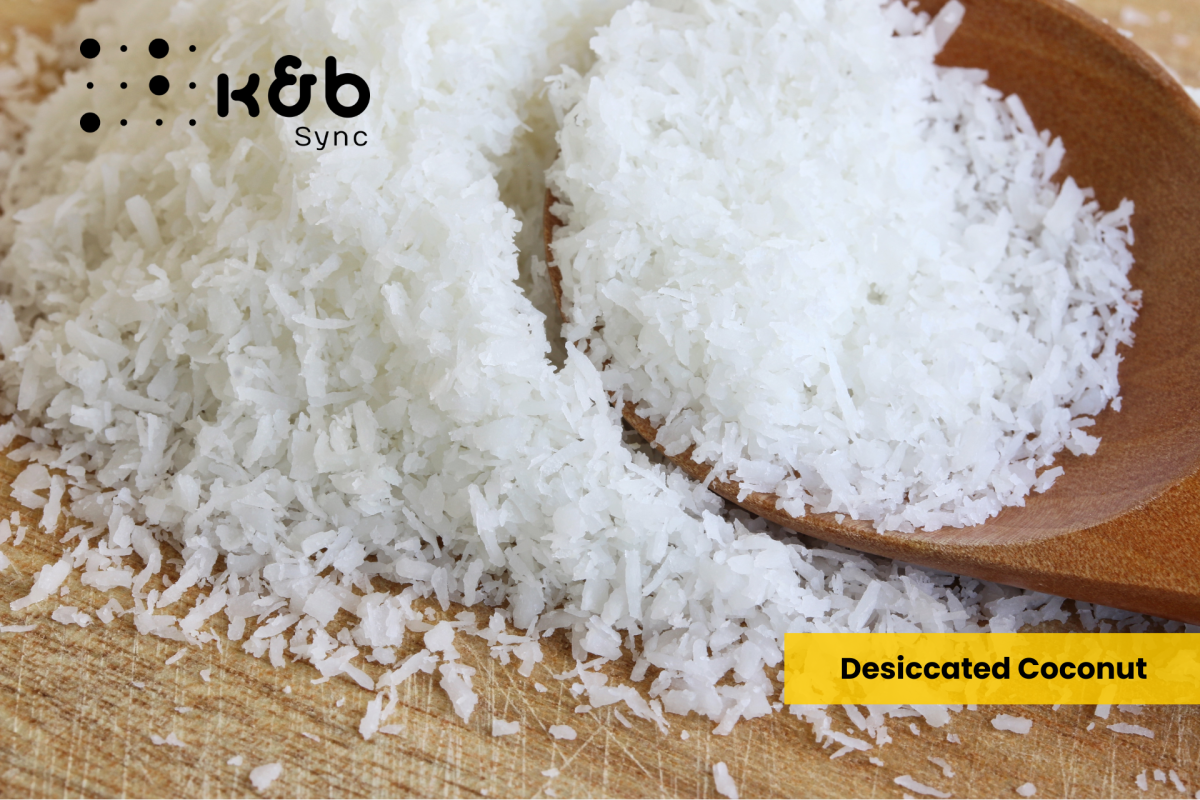
In the competitive global food sector, ingredient sourcing is a strategic choice that defines brand reputation, rather than just a routine procurement task. For years, the market debated the ideal fat levels for these ingredients, but top-tier distributors and manufacturers are now establishing a clear trend. Increasingly, B2B buyers prefer desiccated coconut with a 40% fat content over traditional 30% options. This shift underscores a growing recognition of how premium ingredient quality directly enhances production efficiency, shelf life, and ultimate customer satisfaction.
Understanding the Value of 40% Fat Desiccated Coconut
When a business evaluates desiccated coconut, the fat percentage serves as a primary indicator of both flavor and functional performance. While a 30% fat option might appear to offer immediate cost savings, it often falls short in sensory categories. Choosing a high-quality 40% fat variant instead provides a much richer aroma and a more pleasant mouthfeel. This specific grade perfectly bridges the gap between low-fat and high-fat varieties, offering an optimal balance for industrial applications.
Professional buyers recognize that this ingredient is far more than just a filler. In many formulations, it acts as a vital structural component and a natural flavor carrier. Utilizing the 40% fat version ensures that the native oils remain abundant enough to deliver a robust tropical taste. This inherent richness allows manufacturers to scale back on artificial additives, as the product itself provides the complete sensory profile required for premium end products.
Consistency and Stability in Global Trade
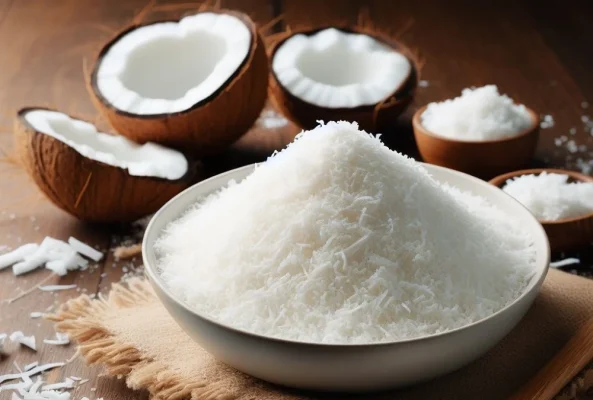
Maintaining consistency during seasonal shifts is one of the greatest challenges for desiccated coconut suppliers. In tropical regions, the rainy season heavily impacts the moisture and oil content of raw harvests, making the production of a stable 30% fat option notoriously difficult. These raw material fluctuations often introduce off-flavors or inconsistent textures into the final goods.
Conversely, opting for a 40% fat alternative provides a much more reliable manufacturing window. Because this oil level aligns closely with the fruit’s natural state, the raw material requires far less aggressive processing. This yields a finished product that boasts an extended shelf life and superior microbiological safety. For enterprises engaged in global trade with lengthy shipping times, this enhanced stability serves as a crucial safeguard against spoilage and quality degradation.
Enhanced Performance in Food Manufacturing
For a bakery or confectionery manufacturer, the physical behavior of ingredients during the mixing and baking process is critical. Industrial-grade desiccated coconut must be highly resilient. The 40% fat variety delivers uniform flakes that resist breakage much better than drier, lower-fat versions. Whether applied to cereal coatings, biscuit toppings, or cake fillings, this structural integrity ensures a premium final appearance.
Furthermore, this 40% fat ratio integrates seamlessly into doughs and batters. The higher concentration of natural oil prevents the flakes from absorbing excessive moisture from the other recipe components. This perfect balance ensures that the end product remains moist and flavorful, delivering exactly the premium quality consumers expect.
Sourcing from Vietnam: The Advantage for Wholesale Buyers
As a leading Vietnam-origin product, our premium desiccated coconut meets the highest international standards. The regional export market has grown significantly, establishing the country as a trusted hub for quality and reliability. When B2B buyers look for wholesale opportunities, they prioritize suppliers who can guarantee volume without sacrificing ingredient integrity.
By sourcing from Vietnam, global companies benefit from advanced processing technology and strict adherence to food safety protocols. The resulting export-grade goods undergo rigorous testing to ensure they meet exact fat percentage, moisture, and microbiological requirements. In the world of global trade, having a partner that understands the nuances of agricultural production is the key to maintaining a smooth and reliable supply chain.
Making the Smart Choice for Your Supply Chain
In summary, while 30% fat desiccated coconut might satisfy a basic budget requirement, it rarely satisfies the long-term quality goals of a growing brand. The transition to 40% fat desiccated coconut represents a commitment to excellence. This grade of desiccated coconut offers better flavor, superior stability, and enhanced processing performance. For any professional distributor or manufacturer, the value provided by 40% fat desiccated coconut far outweighs the marginal price difference.
At K&B Sync, we understand the vital role that desiccated coconut plays in your business. We specialize in delivering high-quality desiccated coconut tailored to the specific needs of our international partners. As a trusted name among desiccated coconut suppliers, we ensure that every shipment of our Vietnam origin desiccated coconut meets your expectations for consistency and value.
Are you ready to elevate your product line with premium desiccated coconut?
Contact K&B Sync today to receive detailed specifications, request samples, or discuss competitive wholesale pricing for your next export order. Let us help you secure a stable supply of the finest desiccated coconut available in the market today.

Pingback: The Strategic Value of Sourcing Vietnam Coconut Water - News K&B Sync is a multi-sector company operating across integrated business units, built on quality, reliability, and long-term partnerships across global markets.
Pingback: Inside the Factory: Desiccated Coconut Production Process - K&B Sync is a multi-sector company operating across integrated business units, built on quality, reliability, and long-term partnerships across global markets.
Pingback: Global B2B Coconut Procurement Guide - Coconut Ingredients K&B Sync is a multi-sector company operating across integrated business units, built on quality, reliability, and long-term partnerships across global markets.